
Understanding How Brake Discs Are Made – A Guide from a Family-Run Motor Spares Specialist
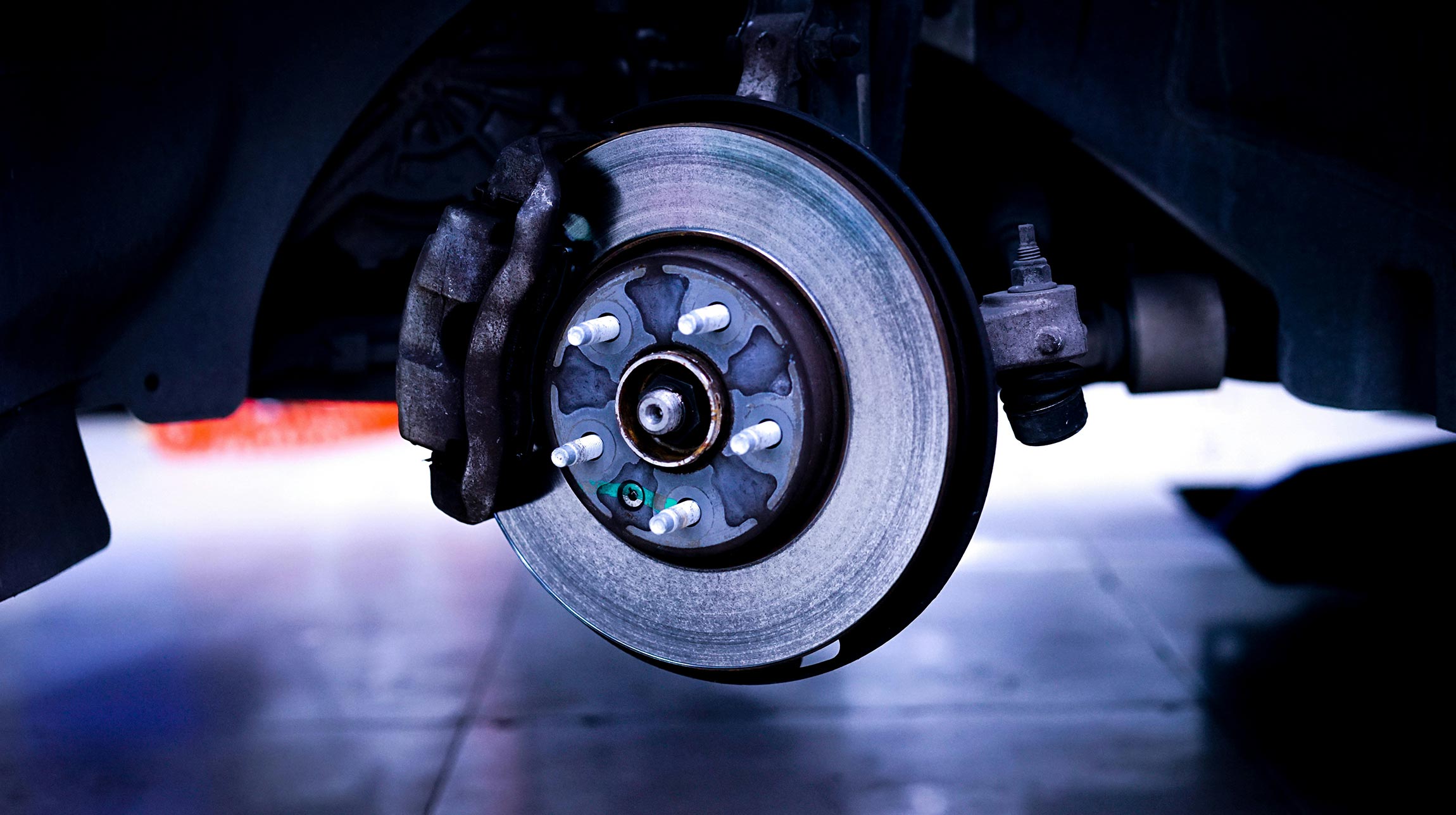
At A2Z Motor Spares Dewsbury, we're more than just a parts supplier — we're a family-run business committed to keeping our customers informed, safe, and supported. Today, we're sharing insights into one of the most critical components of your vehicle: the brake disc.
Brake discs are engineered to handle immense pressure, heat, and friction. By understanding how they're manufactured, you can make better decisions when choosing replacements — and trust you're getting the best from us.
Brake discs typically start as cast iron or carbon composite. These materials are melted at over 1,400°C and poured into high-precision moulds. The moulds are shaped to include features like cooling vanes to help dissipate heat.
According to ScienceDirect, casting is preferred due to the high thermal conductivity and strength properties of grey cast iron.
After casting, discs undergo heat treatment. This controlled heating and cooling process adjusts the disc's internal structure to improve strength and reduce brittleness.
As outlined by NIST.gov, heat treatment enhances microstructure uniformity — making the discs resistant to cracking under thermal stress.
Next, discs are machined to specification. Surfaces are ground to exact tolerances to ensure perfect contact with brake pads and vehicle hubs. This includes ensuring consistent disc thickness, flatness, and concentricity.
The Engineering Toolbox explains how machining impacts brake response and even pad wear.
Before brake discs are approved, they're tested for:
- Structural cracks using non-destructive testing
- Balance, flatness, and vibration using specialist equipment
- Thermal durability through simulated heat cycles
The UK's Vehicle Certification Agency requires components like brake discs to meet strict safety standards under ECE Regulation 90.
When Should Brake Discs Be Replaced?
Brake discs wear down over time due to friction and heat. Generally, it's advised to:
- Inspect them every 10,000 miles
- Replace them every 25,000–30,000 miles (varies by vehicle and driving style)
According to the UK Government MOT guidelines, brake discs must be free from cracks, excessive scoring, or wear.
Common signs of worn brake discs:
- Squealing or grinding noises
- Pulsation in the brake pedal or steering wheel
- Increased stopping distance
- Warning lights or visible rust/scoring
Why Choose a Family-Run Supplier Over Corporate Chains?
Unlike large corporate companies, we offer tailored advice, consistent service, and genuinely care about your safety.
At A2Z Motor Spares Dewsbury, you'll find:
- 🔧 OEM-equivalent brake discs for nearly all makes and models
- 📦 Fast UK-wide shipping and local collection
- 🧠 Real help from knowledgeable staff — not automated systems
- 💷 Fair pricing without unnecessary mark-ups
Order with Confidence
Whether you're a garage owner, home mechanic, or first-time buyer, you'll receive the same family-level service from our experienced team. Order online, or visit our Dewsbury location.
Your vehicle's safety starts with trusted parts — and trusted people.